Body and breath
The body opens a path to emotions, images and memories that cannot always be thought or explained.
Body · creativity · community
A practice in which body, creativity and community open the possibility of an embodied transformation.
The proposal
Transpersonal Therapeutic Theatre —TTT— brings together theatre, bodywork and transpersonal psychology to make visible what had not yet found words.
The creative act does not only express who we are; it reveals who we are called to become.
The practice
TTT does not interpret our experience from the outside. It creates the conditions to live it differently: allowing the body to speak, an image to become a character and a story to be transformed from within.

The body opens a path to emotions, images and memories that cannot always be thought or explained.
Games, listening and group dynamics create a safe space in which to risk a more authentic presence.
We recognise learned roles and rejected parts in order to relate to them without judgement or exclusion.
Embodying other ways of being allows strengths, conflicts and possibilities that are still unconscious to emerge.
Pleasure, laughter and spontaneity return movement to what had become rigid or blocked.
Experience takes shape in scenes and actions that can support a new way of inhabiting life.
The process
Each group follows its own rhythm. These three movements offer guidance, not a fixed script.
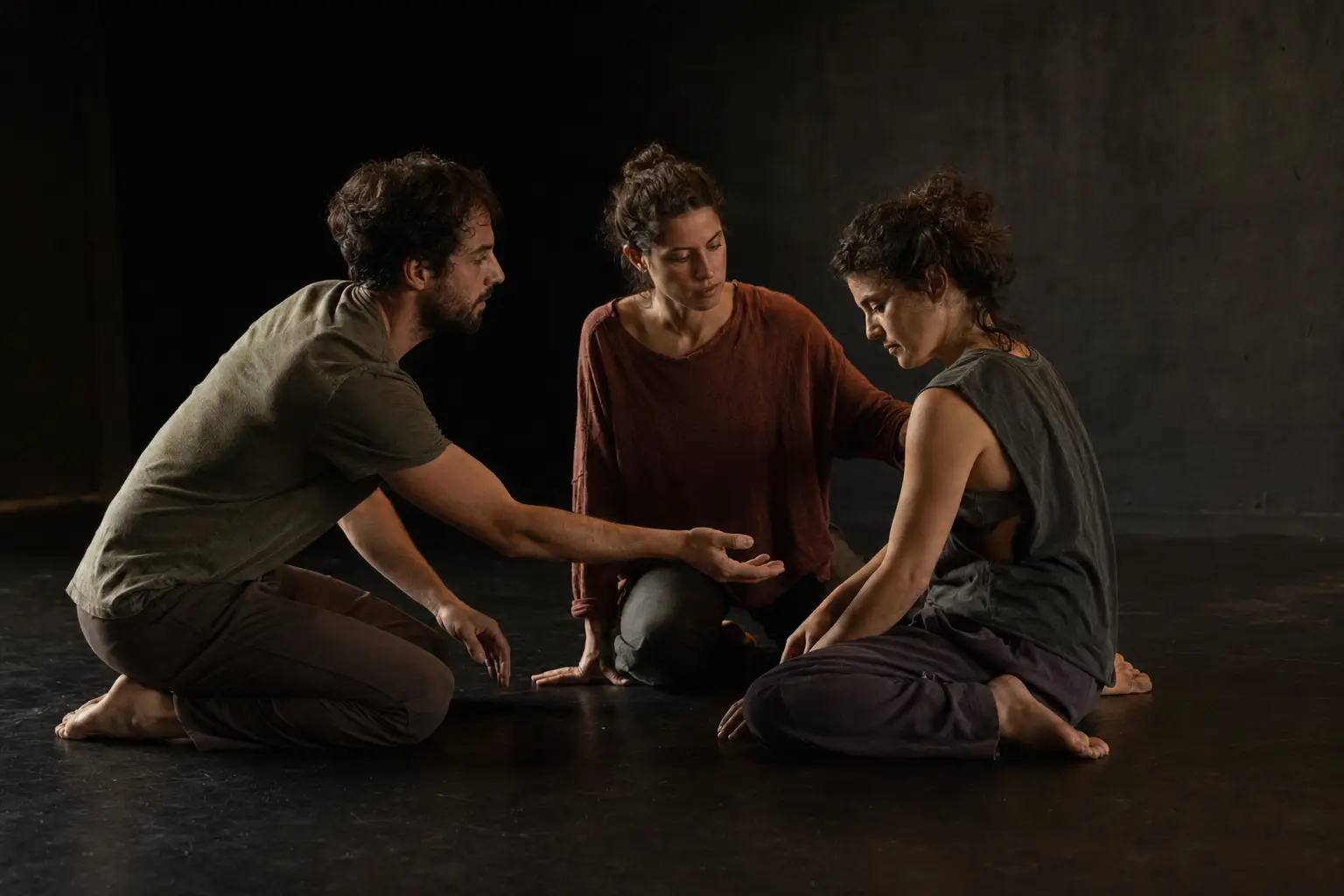
Arriving in the body, slowing down and creating trust. Practice begins by undoing habitual gestures and relationships so that listening can become possible.
Presence · relaxation · energy · connectionThrough movement, breath, improvisation and archetypes, psychic material finds a voice and a body.
Shadow · emotion · character · creationWhat is revealed becomes a practice, a scene or a narrative. The process seeks to translate that experience into everyday life.
Integration · meaning · choice · actionThe community that holds
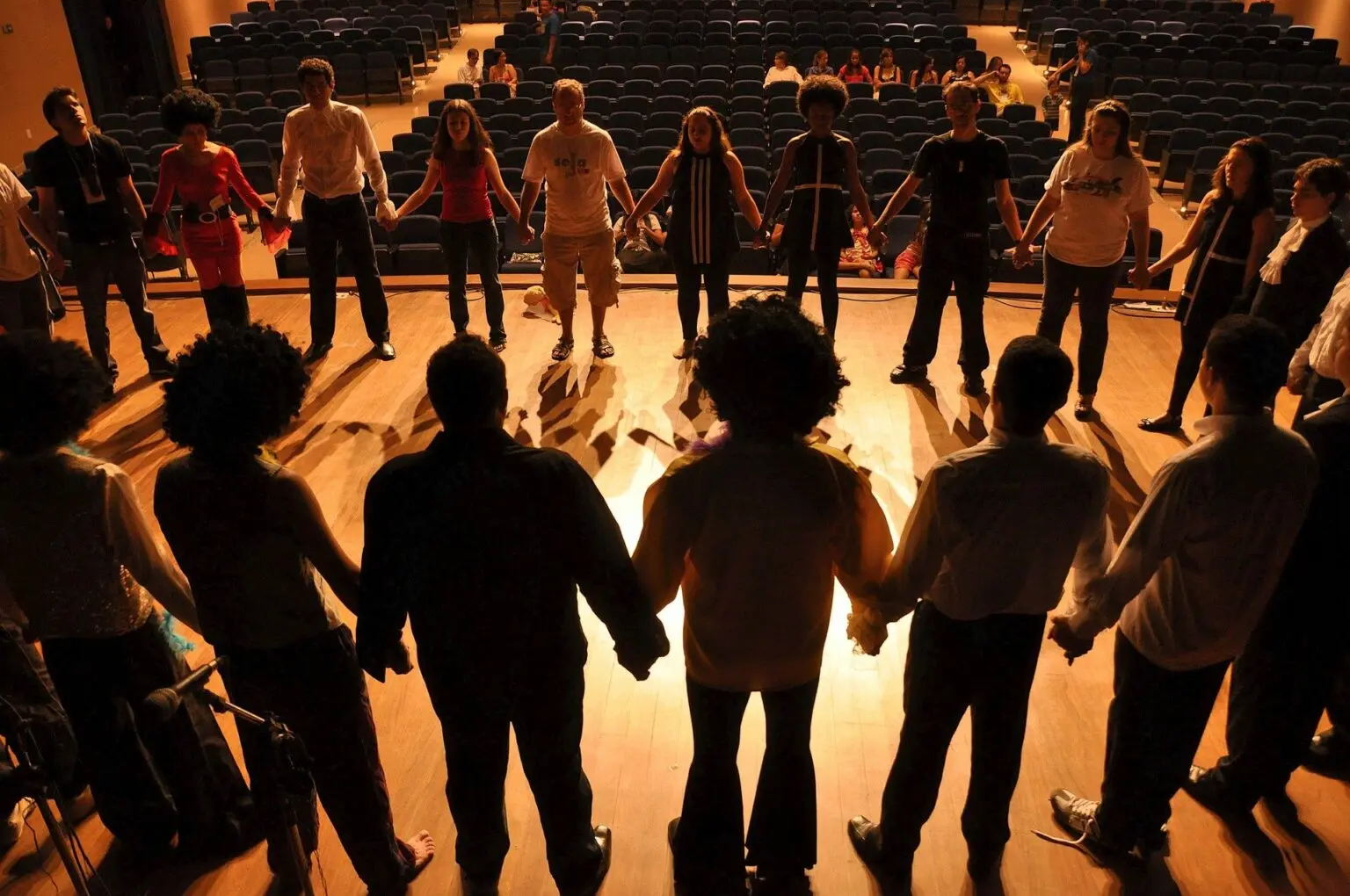
What remained hidden for years can be seen without being reduced to a wound. The group offers a rare experience: allowing ourselves to be seen in our vulnerability and discovering that we still belong.
What can open
Formats
No theatre experience is required. The proposal is open to adults and young people from the age of 16 who are interested in a deep process of self-knowledge and creation.
Ongoing process
Weekly meetings to build trust, deepen the practice and support integration into everyday life.
Intensive
Two or three days to enter the language of the body and creation, go through a complete experience and close with integration.
Ritual theatre
An immersive exploration of transformation and reconnection with nature through ritual theatre.
Dates, venue and contribution will be announced for each new session.
Frequently asked questions
No. Here theatre does not seek a perfect performance, but an honest expression. Curiosity and a willingness to play are enough.
It is a group practice with a therapeutic and transpersonal orientation. It can complement a personal process, but does not replace psychotherapeutic or medical care when that is needed.
No. Each person decides how far to share. Many experiences can be explored symbolically, physically or fictionally, respecting one's own rhythm.
Through clear agreements on confidentiality, consent and respect; a carefully paced progression; and enough time to integrate and bring each experience to a close.

An invitation
If this proposal resonates with you, you can approach it through an ongoing process, an intensive experience or a laboratory in nature.
About me
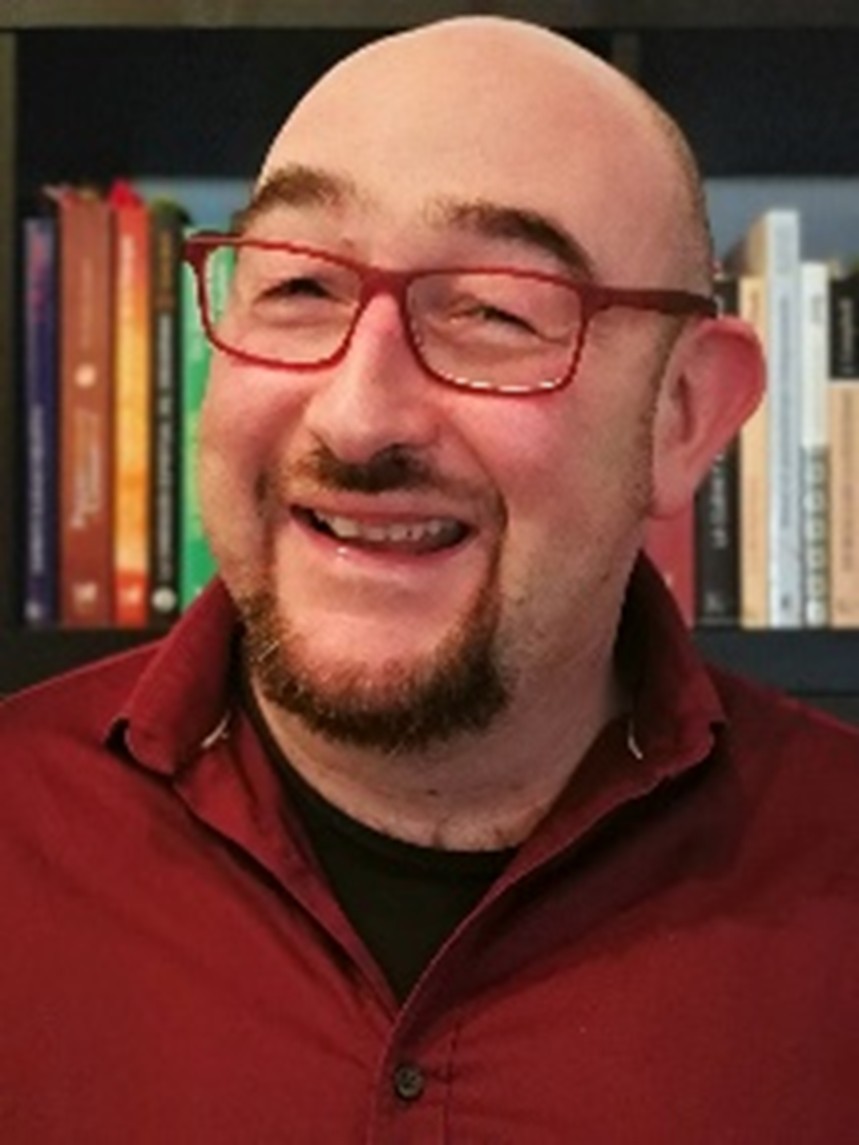
Philosopher, transpersonal psychotherapist, dance therapist and trainer in social and therapeutic theatre.
Born in Japan to an English father and a Franco-Russian mother who was born in China, he is French and deeply shaped by intercultural experience and a desire to understand others.
For more than twenty years, he has accompanied individuals and communities with presence, creativity, compassion and humour.
Today
Trained in working with expanded states of consciousness, he is a professional member of the European Transpersonal Association (EUROTAS).
He brings theatre, movement and creativity into therapeutic work, accompanying individual and collective processes with groups and communities in vulnerable situations.
He currently works as a psychotherapist in private practice and develops the methodologies of Transpersonal Therapeutic Theatre and Somatic Transpersonal Therapy. He teaches and speaks internationally at humanistic psychology conferences.
He is co-founder of the Empagenia Centre for psychotherapy and consciousness research.
He grew up among a wide range of family spiritual traditions —Judaism, Catholicism, Protestantism, Russian Orthodoxy and Buddhism— and has explored shamanism through Mazatec and Lakota traditions.
His work is rooted in encounters with others, especially in Latin America, where he has supported communities affected by extreme violence. He has taught in schools and universities in France, Colombia, Peru, Chile, Uruguay, Spain and South Africa.
Theatre training
He has trained with teachers and schools across a range of theatrical disciplines: